
Climate projections predict an increase in the frequency and intensity of heatwaves in the coming years. These rises in temperature pose risks of discomfort that may have an impact on health. In order to mitigate these risks, it seems necessary to adapt indoor and outdoor spaces to ensure continuous protection against the heat.
Among the solutions proposed to combat urban heat island effects are, in particular, ‘green’ and ‘blue’ solutions, which are based on nature and the use of water; and ‘grey’ solutions, which relate to pavements, street furniture and buildings.
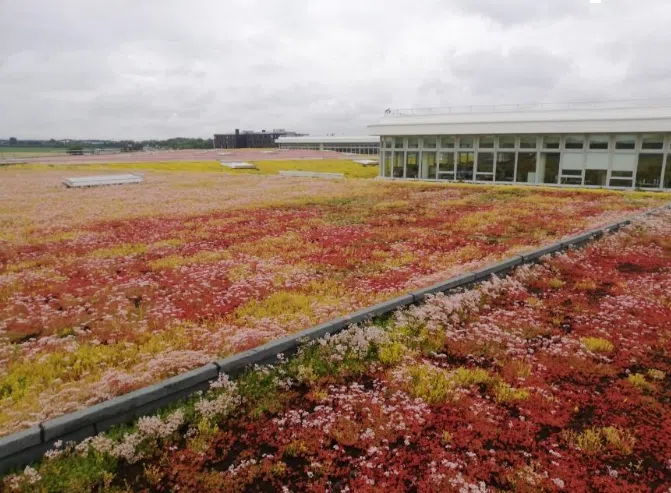
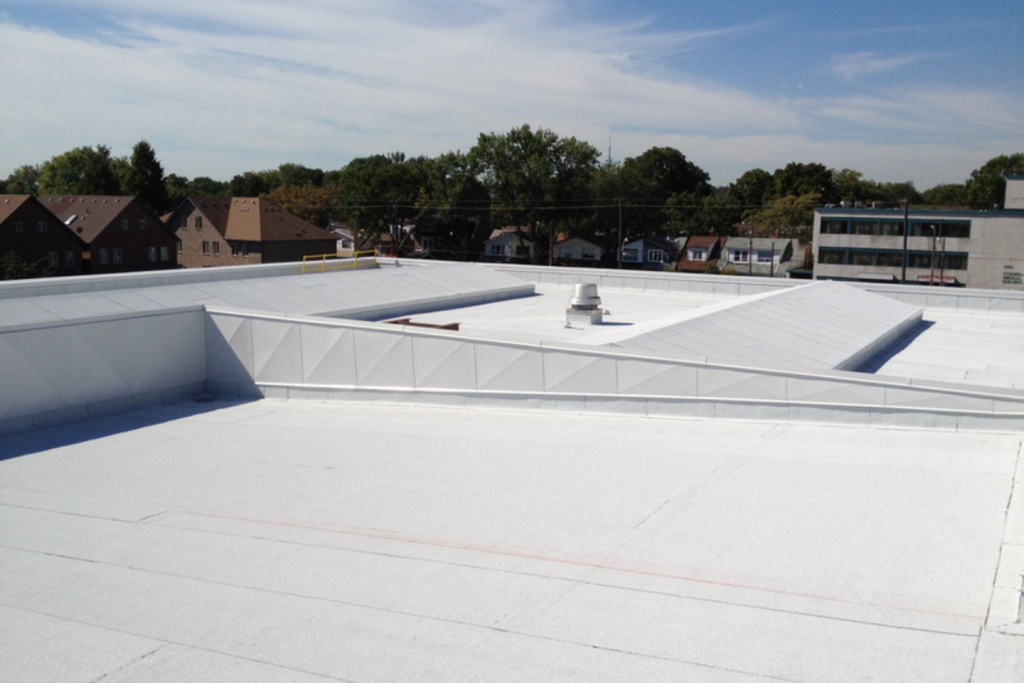
It is, however, essential that the choice of solution takes into account climate change and limitations on access to natural resources, in order to minimise the risk of maladaptation. For example, choosing vegetation that is unsuited to the future climate of the Nouvelle-Aquitaine region (Mediterranean), which would be unable to withstand high temperatures and would require significant amounts of water, would limit its growth and therefore its potential for shade and evapotranspiration.
Whilst neighbourhood- and building-level solutions appear to be emerging to maintain comfortable living environments, it still seems difficult to quantify the benefits of each solution on a common basis and, consequently, to assess their multi-criteria impacts and their adaptability to future climate conditions.
The aim of EPURE is to test these existing solutions, focusing on green and grey solutions. The project therefore seeks to develop a methodology based on both experimental and digital approaches in order to establish a common framework for comparing the available solutions. With a particular focus on the Nouvelle-Aquitaine region, this methodology must therefore incorporate aspects relating to climate change, neighbourhood thermal performance and building thermal performance, in order to assist local stakeholders in their decision-making when planning and constructing, whilst taking into account the risk of summer discomfort.
➜ To achieve this objective, the EPURE project was divided into six work packages (WP), with each of these groups further subdivided into various tasks.
WP1: Analysis of stakeholder dynamics and levers
The aim of this WP is to identify the needs and constraints of each partner (each representing a different trade) within the context of a construction, building renovation or urban development project. Two areas will be examined in particular: town planning documents and forms of greening. Furthermore, the work carried out here aims to facilitate the integration of the stakeholders’ needs and constraints from the early stages of the construction process into the services developed in the WPs that will follow.
WP2: Development of a methodology for assessing climate vulnerability
In this WP, the EPURE team aims to develop a methodology for assessing the risk of urban heat island effects in buildings and neighbourhoods. A second objective is to provide a service to assess neighbourhoods regarding the risk of urban heat island effects, taking into account climate change projections for the Nouvelle-Aquitaine region.
WP3: Analysis of the solutions
This package involves developing a methodology for evaluating various solutions to combat urban heat island effects, characterising some of these solutions, and thereby offering a service to assess the impact of neighbourhood adaptation solutions.
WP4: Carrying out case studies
This work package involves putting the tools through their paces in real-world conditions, whilst taking into account their roll-out to partners once the project has concluded. At pilot sites across the partner cities (Agen, La Rochelle, Niort and Rochefort), sensors will be installed to collect data that will feed into the computer models and enable them to be tested.
WP5: Communication and dissemination
We intend to develop our approach to communicating and disseminating the results of this project as it progresses, notably through participation in symposia and conferences, and the creation of this website.
WP0: Coordination
This working group is responsible for ensuring the administrative, financial and scientific coordination of the project in accordance with the conditions set out in the application, for maintaining contact with representatives of the Nouvelle-Aquitaine Region, for managing the intellectual property generated by the project and preparing exploitation agreements, and, finally, for communicating about the project and its results.