
Launched in 2025, the EPURE project will run for three years. Ultimately, EPURE aims to become a regional benchmark for the integrated assessment of mitigation solutions, combining experimental data, modelling and life-cycle analysis. At the intersection of digital technology and green solutions, the EPURE project enables you to quantify the impact of your solutions on urban cooling, at the building or neighbourhood level. The services offered by EPURE may include, but are not limited to, the following key stages:
- Modelling the building and the green or grey solution:
3D simulation of the system’s geometry, as well as the heat transfer and other flows occurring within it. Using input data relating to the building (geometry, materials, energy systems, occupancy scenarios, etc.), we can model the study area and carry out a detailed analysis of heat transfer over time.
- In situ measurements on the plant:
Collection of biophysical input data required for thermal simulation, via field measurements. Parameters such as average stomatal resistance, LAI or albedo will be measured (depending on the type of green solution). This data, combined with in situ thermal measurements, is used to feed into scientific models to study the impact of your solutions as realistically as possible.
- Comparative study:
Analysis of the results from the modelling to isolate the effect of your solution and assess its thermal benefits. By comparing the system comprising the building and your solution with a reference system without any green or grey solutions, we aim to quantify the impact your solution has on its immediate external environment and, where applicable, on the building’s internal environment.
Today, the expertise of the EPURE team is spread across the two technical centres coordinating the project: TIPEE and CRITT Horticole. As transfer centres, these two organisations act as a bridge between research and the socio-economic world.
🏡 The TIPEE Platform: experts in sustainable housing
The areas of expertise of TIPEE:
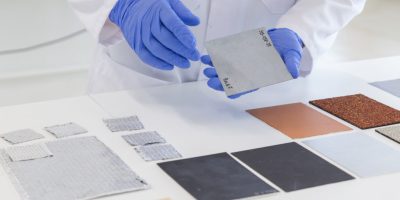
Understanding, measuring, simulating, deciding: evaluation as a driver of sustainable performance
- Measurements
- Digital simulation
- Development of decision-support tools

Turning ambitions into sustainable and practical solutions
- Assistance to the Contracting Authority (ACA) on innovative projects
- Optimisation of energy performance
- Quality Management of Indoor Environments

Disseminating knowledge, sharing best practice, and building skills
- Educational engineering
- ACA training
- Science Communication and Public Awareness
- Inter/Intra Training Catalogue
🌱 CRITT Horticole, experts in plant engineering
The areas of expertise of CRITT Horticole:
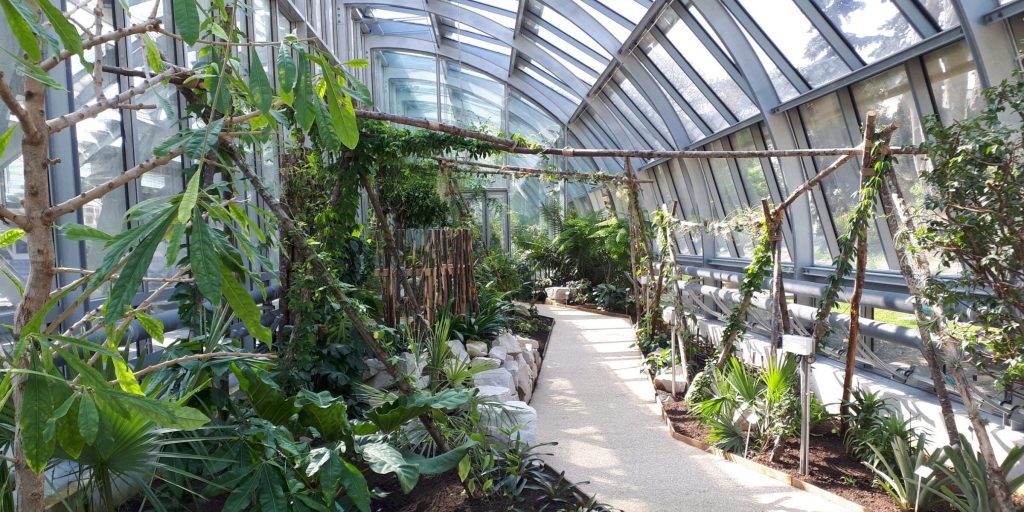
National expertise in the construction and fitting out of greenhouses for public and private clients
- Feasibility study – Planning
- Project management – Construction of a greenhouse
- Market Intelligence, R&D – Building the greenhouses of the future
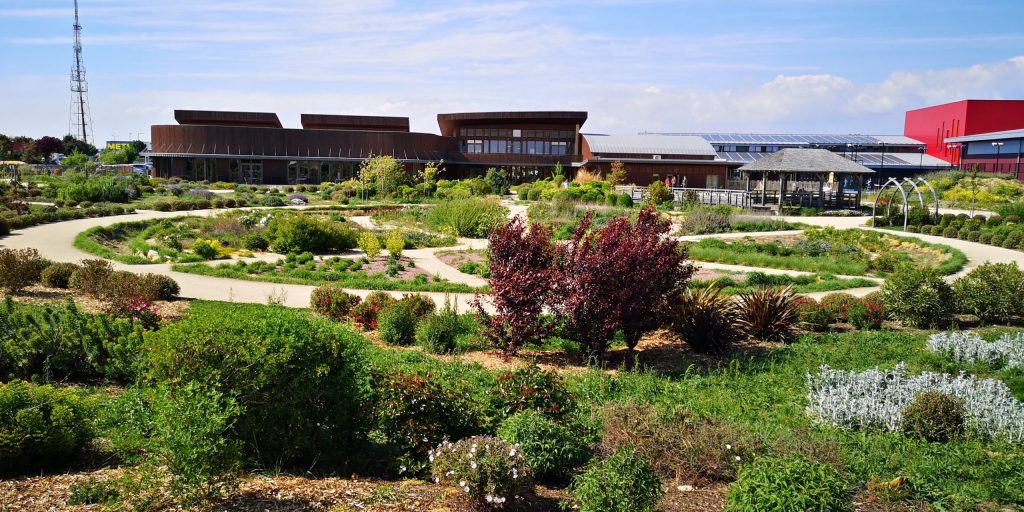
Greener cities – ‘green cities’ – which put greenery back at the heart of their urban planning
- Landscaping
- Green roofs
- Green architecture
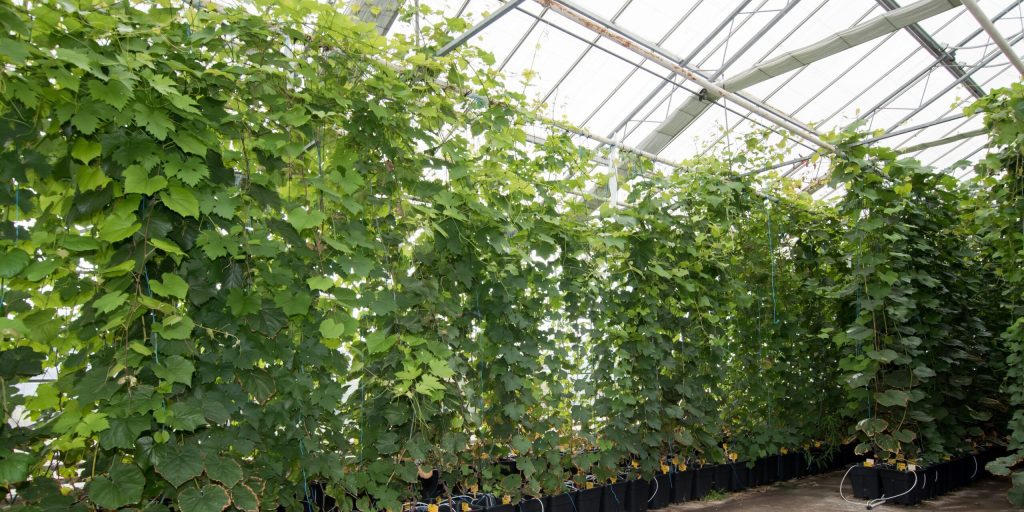
Support for project leaders on issues such as biodiversity, soil protection, pollution filtration, alternatives to chemicals, etc.
- Horticultural agronomy
- Horticultural expertise
- Ecosystem services
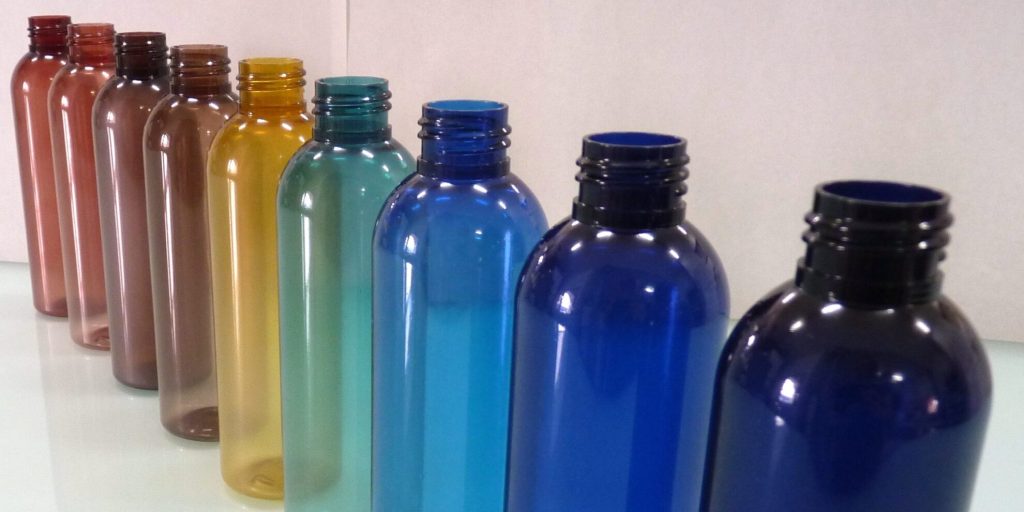
Cultivation of dye plants and the development of plant extracts, dyes and pigments for use in various industrial sectors: textiles, cosmetics, paints and biomaterials
- Innovation in plant-based dyes
- Dyeing process and pre-formulation
- Development of plant-based colouring extracts
- Screening and colour assessment of plant material